Poison Oak Removal in Philadelphia, PA
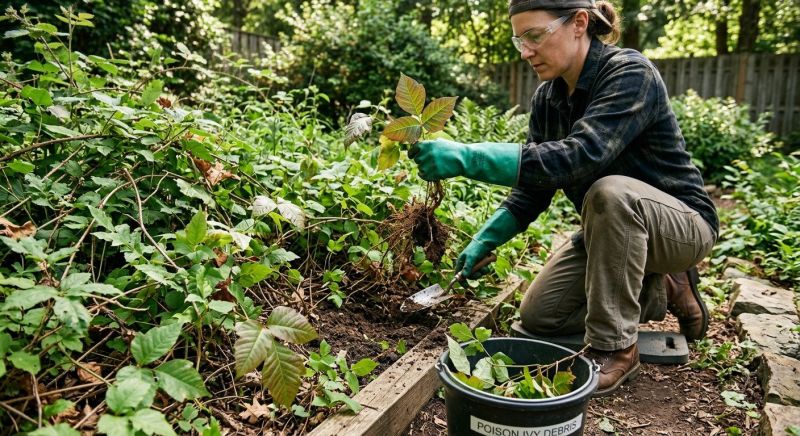
Poison oak removal services focus on safely eliminating this invasive plant from residential properties, including yards, gardens, and wooded areas. These services typically involve identifying the presence of poison oak, carefully removing the plants to prevent the spread, and ensuring the safety of people and pets. Property owners often request this service when poison oak poses a risk to outdoor activity areas, landscaping, or recreational spaces, or when it has grown extensively and needs professional removal to prevent accidental contact.
Before requesting poison oak removal, property owners usually want to understand the extent of the infestation, the methods used for removal, and any necessary follow-up maintenance. It's important to consider whether the plants are in hard-to-reach areas or near desirable landscaping, as this can influence the scope of the project. Clarifying these details helps ensure the removal process is effective and minimizes the risk of exposure to the plant’s irritating oils.
Many property owners in Philadelphia, PA look into Poison Oak Removal for repairs, replacements, upgrades, and appearance-related improvements.
Poison Oak Identification
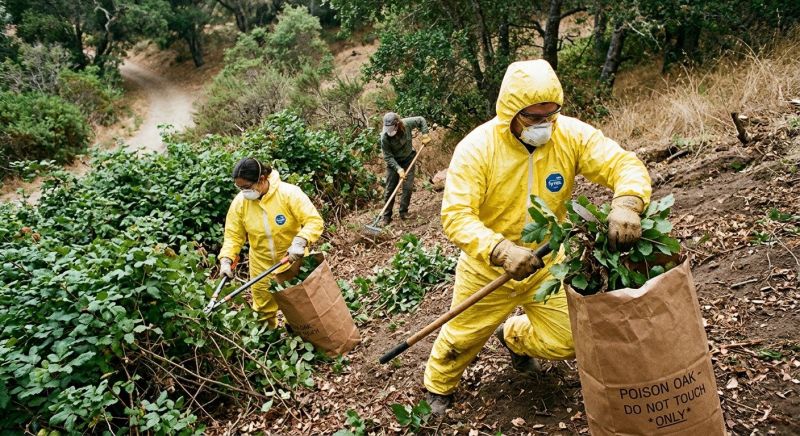
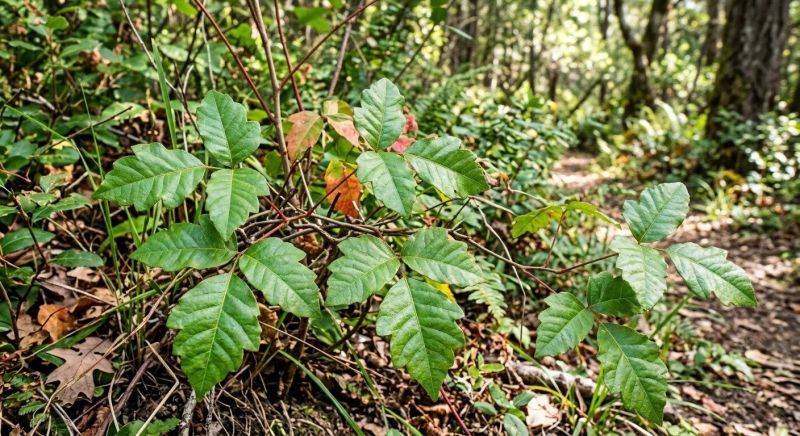
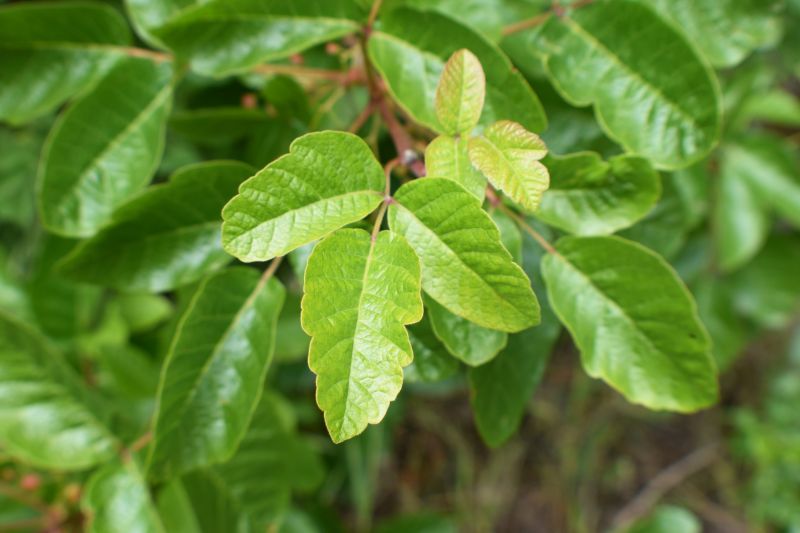
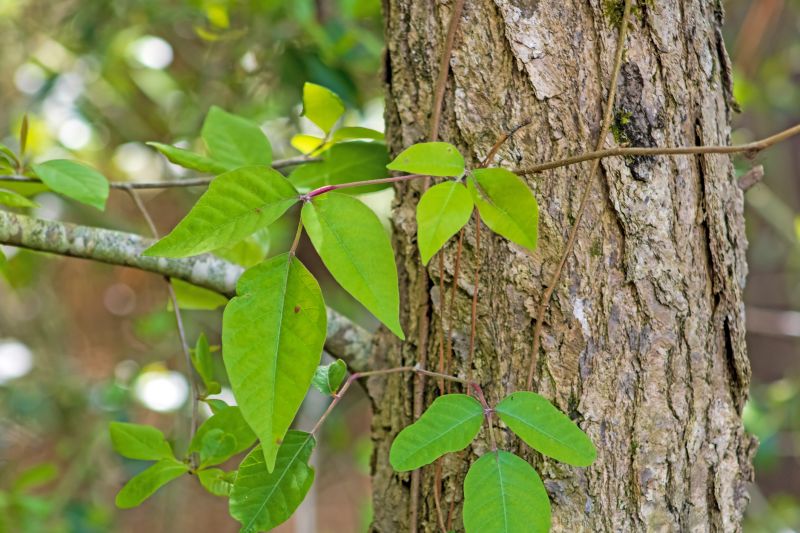
Recognizing poison oak is essential for safe removal and property protection in philadelphia.
Health And Safety Precautions
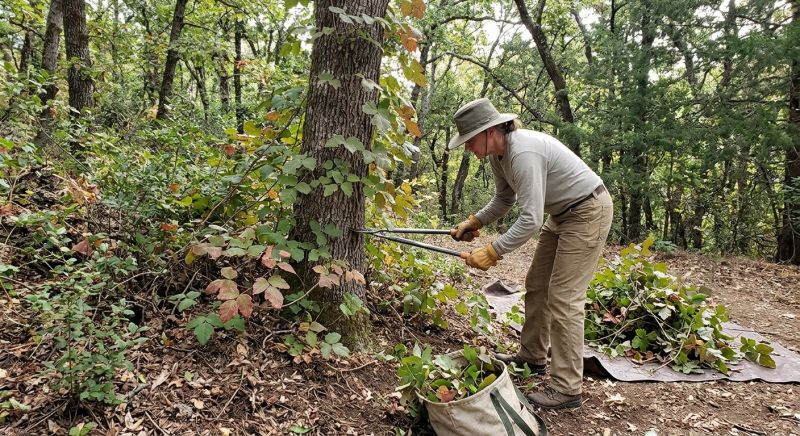
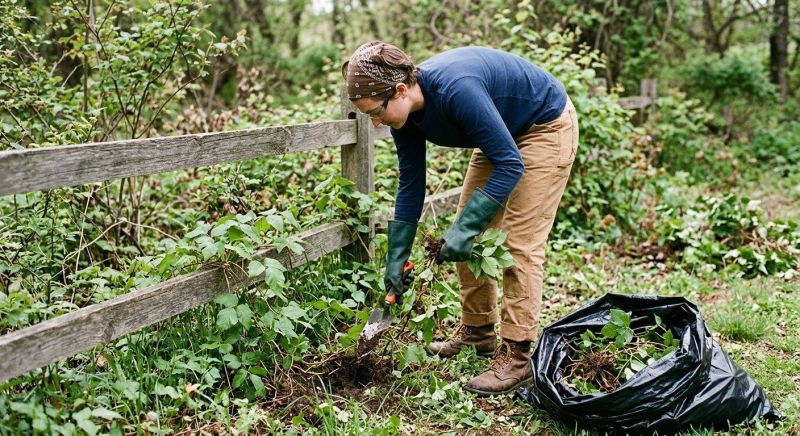
Proper removal minimizes skin irritation and prevents accidental contact for residents and visitors.
Property Maintenance
Removing poison oak helps maintain the safety and appearance of residential and commercial landscapes in the area.
Poison Oak Removal in Philadelphia, PA

Poison oak removal services focus on safely eliminating this invasive plant from residential properties, including yards, gardens, and wooded areas. These services typically involve identifying the presence of poison oak, carefully removing the plants to prevent the spread, and ensuring the safety of people and pets. Property owners often request this service when poison oak poses a risk to outdoor activity areas, landscaping, or recreational spaces, or when it has grown extensively and needs professional removal to prevent accidental contact.
Before requesting poison oak removal, property owners usually want to understand the extent of the infestation, the methods used for removal, and any necessary follow-up maintenance. It's important to consider whether the plants are in hard-to-reach areas or near desirable landscaping, as this can influence the scope of the project. Clarifying these details helps ensure the removal process is effective and minimizes the risk of exposure to the plant’s irritating oils.
Many property owners in Philadelphia, PA look into Poison Oak Removal for repairs, replacements, upgrades, and appearance-related improvements.
Common Poison Oak Removal Jobs
Poison Oak Removal - safely eliminates poison oak from residential and commercial landscapes.
Land Clearing - clears overgrown areas infested with poison oak to improve safety and appearance.
Brush and Shrub Removal - targets poison oak growth among other dense vegetation for property clearance.
Yard Maintenance - maintains yard health by removing poison oak before it spreads.
Vegetation Management - controls poison oak spread through targeted removal and landscape planning.
Property Cleanup - restores safety and aesthetics by removing poison oak and related debris.
Poison Oak Removal Questions
What is poison oak removal? Poison oak removal involves safely eliminating the plant to prevent skin irritation and property damage.
When should poison oak be removed? Removal is recommended when poison oak is growing in high-traffic areas or near children and pets.
Can poison oak be removed by property owners? Yes, property owners can remove small patches, but larger infestations may require professional assistance.
What are common methods of poison oak removal? Methods include manual removal, herbicide application, and proper disposal to prevent regrowth and exposure.
Request Poison Oak Removal in Philadelphia, PA
Use the quote form on this page to share the basics of your project and request more information for the type of work you need.